
Views: 0 Author: Site Editor Publish Time: 2025-08-26 Origin: Site


The rising demand for solar energy systems has revolutionized the way homeowners and businesses approach energy consumption. As more individuals and organizations turn to solar energy to reduce their environmental footprint and save on electricity costs, the role of solar system batteries has become increasingly important. Solar batteries allow users to store excess solar power for later use, making solar energy more reliable and efficient. However, a common question arises: Is it worth getting a battery for a solar system? This article explores the benefits of adding a battery to a solar setup, factors to consider when making the decision, and applications for solar batteries to help you decide if this investment is right for you.
One of the primary benefits of adding a battery to a solar system is achieving energy independence. While solar panels generate electricity during the day when the sun is shining, the energy produced is often unused, especially in homes or businesses with minimal daytime energy consumption. This excess power typically gets sent back to the grid. However, by incorporating a solar battery, you can store this excess energy and use it during nighttime or cloudy days when your solar panels are not producing electricity. This ability to harness and store solar energy for later use allows for greater energy self-sufficiency, reducing reliance on the grid and ensuring a more sustainable energy model.
For homeowners and businesses looking to reduce their dependence on conventional energy sources, a solar battery offers a crucial advantage. By using stored solar power during non-sunny hours, you can minimize or even eliminate the need for electricity from traditional power providers, thus lowering your carbon footprint.
Another compelling reason to install a solar system battery is the potential to lower your electricity bills. When your solar panels generate more energy than your home or business needs, the excess power is often fed back into the grid. In many areas, this excess energy is compensated through net metering programs, but the rates paid for this energy are typically lower than what you pay for electricity from the grid.
With a solar battery, you can store excess energy during the day and use it later, thereby reducing your reliance on the grid during peak hours. Since electricity rates tend to be higher during these times, utilizing stored energy from your battery instead of drawing power from the grid can significantly reduce your monthly electricity costs. Over time, the savings can offset the initial investment in the battery, making it a smart long-term choice for those looking to maximize their solar system’s efficiency.
Power outages and electrical disruptions are inevitable, especially during extreme weather conditions or power grid failures. A solar system battery can provide backup power during these situations, giving you peace of mind knowing that essential appliances will continue to function when the grid goes down. Whether it’s keeping the lights on, powering medical equipment, or maintaining communication through devices, a solar battery ensures that you are prepared for emergencies.
For businesses that rely on uninterrupted power to keep operations running smoothly, having a battery backup system is invaluable. In remote or off-grid areas where access to reliable electricity is limited, a solar battery provides a consistent and reliable power source, preventing costly downtime and potential losses.
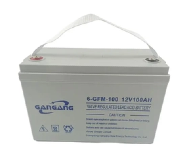
While the benefits of solar system batteries are clear, there are several factors to consider before making an investment. The initial investment cost is often the most significant barrier for homeowners and businesses. Installing a solar battery involves purchasing the battery itself, installation costs, and potential maintenance fees. Depending on the type and size of the battery, the costs can vary significantly, and for some, the price may be a deterrent.
It's essential to calculate the total cost of the battery, including installation, and compare it to your current energy costs. While solar batteries can lead to long-term savings, the initial outlay can be substantial. Fortunately, various financial incentives, such as tax credits and rebates, are often available to help offset these upfront costs, making solar batteries more affordable.
Closely tied to the initial investment is the return on investment (ROI). The ROI of a solar system battery depends on several factors, including your electricity usage, the amount of sunlight your location receives, and the cost of electricity in your area. A battery can take anywhere from 5 to 10 years to pay off, depending on how much energy you store and use from the battery, as well as the energy savings you experience from reduced reliance on the grid.
To calculate the ROI, it’s crucial to assess your monthly energy bills, your solar system’s output, and your battery’s storage capacity. In regions where electricity rates are high or where power outages are frequent, the ROI can be quicker. For others, it may take longer. It’s also worth considering the value a battery adds to your property, as homes with solar energy systems and storage are often more appealing to environmentally conscious buyers.
Another factor to keep in mind when deciding whether to install a solar battery is the environmental impact. While solar energy is inherently a clean energy source, the production, disposal, and recycling of solar batteries can have environmental consequences. Some types of batteries, such as lead-acid batteries, contain harmful chemicals, and their disposal requires careful handling to prevent pollution.
However, advancements in battery technology, such as lithium-ion batteries, have significantly reduced the environmental impact. Lithium-ion batteries are more efficient, longer-lasting, and easier to recycle than older battery technologies, making them a more environmentally friendly option. If sustainability is a priority, opting for a high-quality lithium-ion battery can help reduce your overall carbon footprint.
Solar batteries are increasingly being used in large-scale solar projects to enhance the reliability and stability of solar power generation. In industrial or agricultural sectors, where the need for a continuous power supply is critical, integrating solar batteries with solar panels helps ensure uninterrupted power even during cloudy periods or at night. Solar energy systems combined with battery storage can be deployed in remote locations or areas with unreliable grid access, offering a cost-effective and sustainable power solution for off-grid installations.
In solar microgrids and other solar projects, solar batteries serve as an energy storage hub that can distribute power as needed, ensuring that both residential and commercial needs are met without depending on the grid. This application of solar batteries has the potential to transform the way communities and businesses access energy, providing greater resilience against disruptions and more independence from external power sources.
For residential solar applications, adding a battery to your solar system is a highly effective way to increase energy independence. In homes, solar batteries allow for the storage of excess energy generated by the solar panels during the day, which can then be used at night or on cloudy days. This ensures that you’re not drawing energy from the grid, which not only lowers your electricity bills but also enhances the sustainability of your home.
In addition to reducing reliance on external energy providers, solar batteries offer homeowners a reliable backup power source during outages, which is particularly valuable in regions prone to power disruptions or extreme weather conditions. By investing in a solar battery, homeowners can have peace of mind knowing that they are prepared for unexpected power cuts, all while making their home more energy-efficient.
Whether investing in a battery for your solar system is worth it largely depends on your specific needs, location, and long-term objectives. Solar batteries offer substantial benefits, such as energy independence, reduced electricity bills, and reliable power during outages. However, the upfront cost can be significant, and the payback period will vary depending on your energy consumption and the local energy market.
For those living in regions with high electricity rates, frequent power interruptions, or a desire to achieve greater sustainability, installing a solar battery can be a smart investment. It not only provides energy security but also delivers long-term savings. To determine if it's right for you, carefully assess your energy usage, calculate potential savings, and consider the financial incentives available in your area.
At TG BATTERY, we offer a range of solar batteries designed to optimize your solar system’s performance and help you achieve energy independence. Our team is ready to guide you through your options, ensuring you make an informed decision. For more information or to explore how our solar solutions can benefit your home or business, contact TG BATTERY today.


