
Views: 0 Author: Site Editor Publish Time: 2025-06-21 Origin: Site


Have you ever been stuck with a dead car battery? It’s one of the most common car issues that can leave you stranded.
Replacing your car battery is essential to keep your vehicle running smoothly. In this post, you’ll learn about the cost of replacing your car battery, factors that influence the price, and your replacement options. We’ll also provide tips on how to save money on this necessary repair.
The cost to replace a car battery typically ranges from $75 to $400. The price depends on your vehicle type and the battery you choose. For example, a standard lead-acid battery generally costs between $75 and $150. More advanced options, like AGM (Absorbed Glass Mat) batteries or lithium-ion batteries, can cost anywhere from $200 to $400.
Standard batteries: $75 - $150
AGM batteries: $150 - $250
Lithium-ion batteries: $200 - $400
The cost also depends on the battery's brand, warranty, and the make/model of your car.
Battery prices vary based on several factors. Smaller cars generally use smaller batteries, which are cheaper. Larger vehicles, such as SUVs and trucks, require bigger, more powerful batteries, leading to higher costs.
Additionally, different types of batteries affect price:
Lead-acid batteries are the most common and cheapest.
AGM batteries are more expensive but offer better performance, especially in extreme weather.
Lithium-ion batteries, found in electric vehicles (EVs), are the most costly due to their advanced technology and higher power capacity.
Brand and warranty also play a significant role. Premium brands or batteries with longer warranties often come with a higher price tag, but they may offer better durability and reliability.
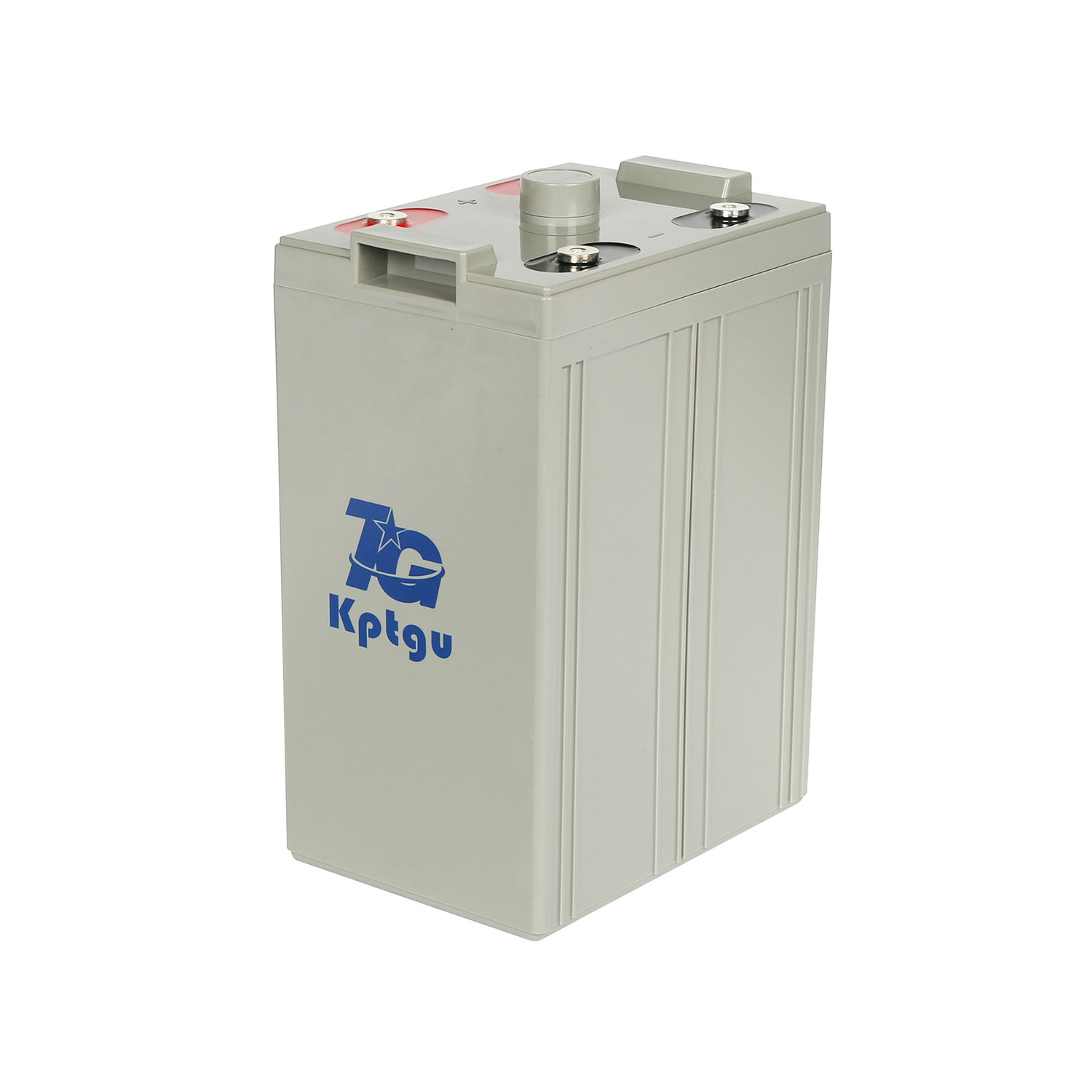
There are several types of car batteries, each affecting the cost and performance of your vehicle.
Flooded Lead-Acid Batteries: These are the most common and affordable. Typically, they cost between $75 and $150. They are reliable but have a shorter lifespan compared to other types.
AGM (Absorbed Glass Mat) Batteries: AGM batteries cost more, ranging from $150 to $300. They offer better performance and are often used in modern vehicles, especially those with advanced electrical systems.
Lithium-Ion Batteries: These are the most expensive, priced at $300 and above. They provide long-lasting power and are typically used in electric vehicles (EVs) and hybrids.
Each battery type has its pros and cons. While lead-acid batteries are cheaper, they may require more frequent replacement. AGM and lithium-ion batteries offer longer lifespans and higher performance but come at a premium price.
Labor costs are another key factor in the total cost of battery replacement. These can vary based on who does the replacement.
Dealerships: Labor costs at dealerships usually range from $50 to $100 per hour. They often charge more due to brand-specific parts and service.
Local Mechanics: You might find lower labor costs at local repair shops, typically between $30 to $70 per hour.
DIY Replacement: If you're comfortable with it, doing the replacement yourself can save on labor costs, but you still need to purchase the battery, which could cost around $100 to $400, depending on the type.
The complexity of installation can also affect labor costs. Some vehicles may require extra work, such as removing components to access the battery, adding more time to the job.
Warranty coverage can play a significant role in the cost of replacing a car battery.
Full Replacement Warranties: Some high-quality batteries come with full replacement warranties, which may cover the entire cost if the battery fails within the warranty period. These warranties can last anywhere from 2 to 5 years.
Prorated Warranties: Many batteries offer prorated warranties, where the replacement cost decreases as the battery ages. If your battery fails after a few years, you'll only be responsible for part of the replacement cost.
Brand-Specific Warranties: Different manufacturers have different warranty policies. For example, some brands offer longer coverage for AGM or lithium-ion batteries, while standard lead-acid batteries may have a shorter warranty period.
Understanding the terms of your battery warranty can help you avoid paying full price for a replacement if it's still under coverage.
Finding a good deal on a car battery can help you save money. Many retailers offer discounts or seasonal sales, especially around holidays. Check online stores like Amazon or AutoZone for special promotions. Local retailers may also have in-store deals, so it's worth calling around. Keep an eye out for manufacturer coupons or rebate offers too. These can significantly lower your overall cost, especially when buying a higher-end battery.
Replacing a car battery yourself can save you labor costs, but it may require some technical knowledge. If you're confident in your DIY skills, you can buy a battery and install it in about 30 minutes. You'll need basic tools like a wrench and safety gloves. However, if you're unsure, it’s best to leave it to professionals. Mechanics or stores like AAA can replace the battery for you, ensuring it's done correctly and safely, though at a higher price.
Before committing to a replacement, compare prices from different service providers. Dealerships tend to charge more than local mechanics, so it’s worth getting multiple quotes. Use online price comparison tools to check battery prices across different websites. Some retailers also offer battery installation services, so compare those costs as well. Make sure to also inquire about warranties, as longer warranties may justify a higher initial cost.
It’s crucial to recognize when your car battery is failing to avoid getting stranded. Here are some common signs:
Slow Cranking: If your engine cranks slowly or struggles to start, the battery might be losing power.
Battery Warning Light: Most cars have a dashboard light that indicates when there’s an issue with your battery or charging system.
Swelling or Leaking: Physical signs, like a bloated battery case or leaking fluid, indicate serious problems.
If you notice these symptoms, it’s best to get your battery checked as soon as possible to avoid complete failure.
On average, car batteries last between 3 to 5 years. However, their lifespan can vary based on several factors:
Climate: Extreme temperatures, especially cold winters or hot summers, can shorten battery life.
Driving Habits: Short trips and stop-and-go driving can cause the battery to wear out quicker since the engine doesn’t have enough time to fully charge the battery.
Maintenance: Regular checks and cleaning of the battery terminals can extend its life.
If your battery is nearing 3 years or showing signs of wear, it’s a good idea to have it inspected to avoid surprises.
Sometimes, battery repair is possible, but it’s not always the best choice. If the battery is relatively new and has minor issues, repair might be worth considering. However, for older batteries or severe damage, replacement is often the better solution.
Corrosion on terminals: Cleaning the battery terminals can often fix starting issues caused by corrosion.
Battery recharging: If the battery is drained but not damaged, recharging might restore its functionality.
Swollen or bloated battery case: This indicates internal damage, and repair isn't an option.
Failure to hold a charge: If the battery constantly loses charge, it's time for a replacement.
Age: Batteries older than 3-5 years may be beyond repair, as their ability to hold a charge diminishes over time.
When it’s time to replace your car battery, you have several professional services to choose from. Dealerships and local mechanics are the most common options.
Dealerships typically offer battery replacements for specific car models and brands, but expect higher costs due to their service fees and brand-specific batteries.
Mechanics usually offer more affordable pricing and may provide quicker service, depending on their workload. You can find local mechanics who will install a new battery at competitive prices.
AAA and mobile services are ideal if you want convenience. They’ll come to your location and handle the replacement, especially if your battery dies unexpectedly. Expect to pay slightly more for this service, but the convenience is undeniable.
If you’re handy with cars, you might consider replacing your battery yourself. Here’s a simple guide:
Tools You’ll Need:
Wrench set or socket set
Safety gloves and goggles
New car battery
Battery terminal cleaner (optional)
Battery hold-down tool (if required)
Step-by-Step Instructions:
Turn off the car and remove the keys.
Open the hood and locate the battery.
Disconnect the negative terminal first, then the positive.
Remove any brackets or hold-downs that secure the battery.
Take out the old battery and replace it with the new one.
Reattach the battery terminals, positive first, then negative.
Secure the battery with the bracket and check for any loose connections.
Safety Measures:
Always wear gloves and goggles to avoid accidental burns or electrical shocks.
Ensure the battery is securely in place to avoid any shifting during driving.
Dispose of the old battery properly at a recycling center or auto parts store.
By replacing the battery yourself, you can save on labor costs, but always be cautious and ensure you have the right tools and safety precautions in place.
Replacing a car battery can cost between $75 and $400, depending on the type and service provider. Whether you choose DIY or professional replacement, each option has pros and cons. If you prefer convenience, professional services like AAA or local mechanics may be best. However, if you’re comfortable with tools, DIY replacement can save you money. Regular maintenance is key to extending your battery's lifespan.
A: The cost of replacing a car battery typically ranges from $75 to $400, depending on the battery type and service provider. Prices vary based on vehicle model, battery size, and labor costs.
A: To find the best deal, compare prices from local retailers, online stores, and auto repair shops. Look for discounts, coupons, and seasonal promotions, and consider DIY installation to save on labor costs.
A: If you have the right tools and experience, replacing your car battery yourself can save you money. However, if you're unsure or lack the tools, professional installation ensures safety and proper handling.


